logo
About us

Kasugai Shanghai Co., Ltd.

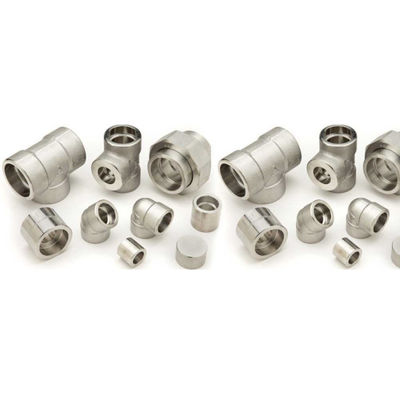
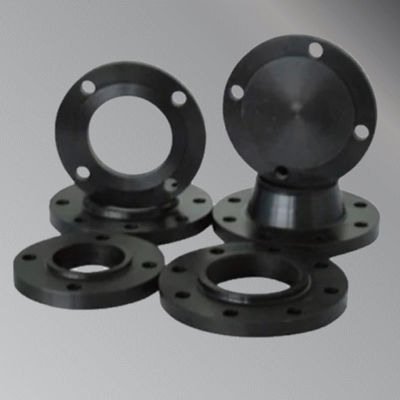
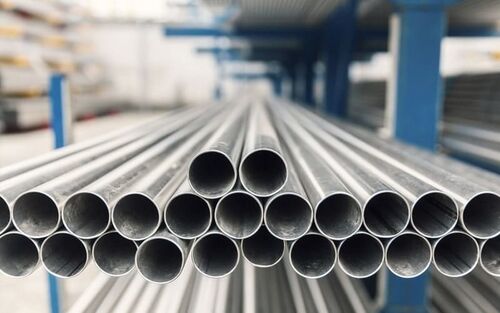
Kasugai Shanghai, a subsidiary of Kasugai Group headquartered in Osaka, Japan, was established in 2003 as a representative office in Shanghai, China, and was upgraded to a company in 2008. Kasugai Shanghai serves as an important force of Kasugai Group in Asia, and over the past 20 years, it has become a key player in the industrial pipes, fittings, flanges, and valves market.Kasugai Shanghai leverages the resources and manufacturing capabilities of local suppliers in China to provide a wide ...
View More
China Kasugai Shanghai Co., Ltd.

1925

Year Established

60000000 +

Annual Sales

200 +

employees

News
Duplex vs Super Duplex Stainless Steel: Selecting the Right Grade for Chloride-Rich Environments
2026-09-16
.gtr-container-xyz123 { font-family: Verdana, Helvetica, "Times New Roman", Arial, sans-serif; color: #333; line-height: 1.6; padding: 20px; box-sizing: border-box; font-size: 14px; } .gtr-container-xyz123 h2 { font-size: 18px; font-weight: bold; color: #527DFF; margin-top: 25px; margin-bottom: 15px; padding-bottom: 5px; border-bottom: 1px solid rgba(82, 125, 255, 0.2); } .gtr-container-xyz123 h3 { font-size: 16px; font-weight: bold; color: #527DFF; margin-top: 20px; margin-bottom: 10px; } .gtr-container-xyz123 p { text-align: left !important; margin-bottom: 10px; } .gtr-container-xyz123 strong { font-weight: bold; color: #527DFF; } .gtr-container-xyz123 table { width: 100%; border-collapse: collapse !important; margin: 20px 0 !important; font-size: 14px !important; border: 1px solid #527DFF !important; } .gtr-container-xyz123 th, .gtr-container-xyz123 td { border: 1px solid #527DFF !important; padding: 10px !important; text-align: left !important; vertical-align: top !important; word-break: normal !important; overflow-wrap: normal !important; } .gtr-container-xyz123 th { background-color: rgba(82, 125, 255, 0.1); font-weight: bold !important; color: #527DFF; } .gtr-container-xyz123 tr:nth-child(even) { background-color: rgba(82, 125, 255, 0.05); } .gtr-container-xyz123 ul, .gtr-container-xyz123 ol { margin: 15px 0; padding-left: 25px; list-style: none !important; } .gtr-container-xyz123 ul li { position: relative; margin-bottom: 8px; padding-left: 15px; list-style: none !important; } .gtr-container-xyz123 ul li::before { content: "•" !important; position: absolute !important; left: 0 !important; color: #527DFF; font-size: 1.2em; line-height: 1; } .gtr-container-xyz123 ol li { position: relative; margin-bottom: 8px; padding-left: 25px; list-style: none !important; } .gtr-container-xyz123 ol li::before { content: counter(list-item) "." !important; position: absolute !important; left: 0 !important; color: #527DFF; font-weight: bold; width: 20px; text-align: right; } .gtr-container-xyz123 a { color: #527DFF; text-decoration: none; } .gtr-container-xyz123 a:hover { text-decoration: underline; } @media (max-width: 767px) { .gtr-container-xyz123 { padding: 15px; } .gtr-container-xyz123 h2 { font-size: 16px; } .gtr-container-xyz123 h3 { font-size: 14px; } .gtr-container-xyz123 .gtr-table-wrapper { overflow-x: auto; -webkit-overflow-scrolling: touch; margin: 20px 0; } .gtr-container-xyz123 table { width: auto; min-width: 100%; white-space: nowrap; margin: 0 !important; } .gtr-container-xyz123 table thead { display: none; } .gtr-container-xyz123 table tr { display: block; margin-bottom: 10px; border: 1px solid #527DFF !important; border-radius: 4px; overflow: hidden; } .gtr-container-xyz123 table td { display: block; text-align: right !important; padding-left: 50% !important; position: relative; border: none !important; border-bottom: 1px solid rgba(82, 125, 255, 0.2) !important; white-space: normal; } .gtr-container-xyz123 table td:last-child { border-bottom: none !important; } .gtr-container-xyz123 table td::before { content: attr(data-label); position: absolute; left: 10px; width: 45%; text-align: left; font-weight: bold; color: #527DFF; } } @media (min-width: 768px) { .gtr-container-xyz123 { padding: 30px 50px; } .gtr-container-xyz123 h2 { font-size: 22px; } .gtr-container-xyz123 h3 { font-size: 18px; } } Duplex vs Super Duplex Stainless Steel: Selecting the Right Grade for Chloride-Rich Environments When piping systems handle chlorides at elevated temperatures and under mechanical load, standard 304 and 316 stainless steels often fall short. Chloride stress corrosion cracking (SCC) and pitting can lead to unexpected, costly failures in chemical plants, offshore platforms and desalination facilities. Duplex and super duplex stainless steels were developed to solve exactly this problem. Their two-phase ferritic–austenitic microstructure delivers roughly twice the yield strength of standard austenitic grades while offering markedly better resistance to chloride attack. Choosing between the two, however, depends on how aggressive the service environment really is. Understanding PREN: The Key Selection Metric The Pitting Resistance Equivalent Number (PREN) is the industry standard for comparing chloride resistance between grades: PREN = %Cr + 3.3 * %Mo + 16 * %N A higher PREN means better resistance to pitting and crevice corrosion. This single number explains most duplex selection decisions. Property Duplex 2205 (S32205) Super Duplex 2507 (S32750) PREN ~34 ~43 Typical Yield Strength ~450 MPa ~550 MPa Chloride Resistance Good Excellent Typical Service Limit Moderate chloride / temp Severe chloride / high temp Duplex 2205 — The Workhorse Grade UNS S31803 / S32205 (commonly known as 2205) is the most widely used duplex grade. It offers an excellent balance of strength, corrosion resistance and cost, making it the default choice for many chloride-bearing applications. Suitable for moderately aggressive chloride environments Excellent stress corrosion cracking resistance versus 316L Commonly used in chemical processing, pulp & paper, and water treatment Super Duplex 2507 — For Severe Service UNS S32750 (2507) and the related S32760 deliver the highest practical resistance to chloride pitting and SCC among duplex grades. They are specified where 2205 would be pushed to its limits. Ideal for offshore oil & gas, seawater systems and desalination Superior resistance to pitting, crevice corrosion and SCC Higher strength allows thinner walls and weight savings How to Choose Use these practical guidelines when specifying duplex grades: Chloride level and temperature — the higher both are, the more likely you need super duplex. PREN requirement — confirm the minimum PREN demanded by the project specification. Mechanical loads — both grades offer high strength, but 2507 provides extra margin for high-pressure service. Code compliance — ensure the grade meets NORSOK, NACE MR0175 / ISO 15156 or client specifications. Kasugai Shanghai: Your Duplex Supply Partner Kasugai Shanghai Co., Ltd. supplies duplex and super duplex pipes, flanges and fittings manufactured to international standards including ASTM A182, A815, A790 and A928. Every shipment is backed by full quality control, including chemical composition analysis, mechanical testing, dimensional inspection and material test certificates (EN 10204 3.1) for complete traceability. Whether your project calls for duplex 2205 or super duplex 2507, our team can help you select the right grade and standard for your chloride-rich application. For more information about our stainless steel pipe, flange and fitting solutions, please contact us: Email: zhangying@kasugai-group.co.jp
Read More
Latest company news about Duplex vs Super Duplex Stainless Steel: Selecting the Right Grade for Chloride-Rich Environments
Successful Delivery of N10276 Nickel Alloy Pipes to our Southeast Asian Customer
2025-12-25
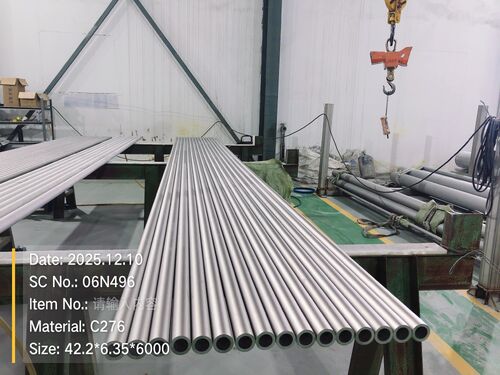
The delivered pipes are manufactured from UNS N10276 nickel alloy, a material well known for its exceptional corrosion resistance, especially in harsh environments involving strong acids, chlorides, and high temperatures. This grade is widely used in industries such as chemical processing, oil & gas, petrochemical, power generation, and environmental protection. All pipes were produced in strict accordance with relevant international standards, with full quality control procedures, including chemical composition analysis, mechanical testing, and dimensional inspection. Complete material test certificates (EN 10204 3.1) were provided to ensure full traceability and compliance with customer requirements. With this successful delivery, we once again demonstrate our capability to supply high-quality nickel alloy piping products, reliable lead times, and professional export services to global customers. If you are looking for N10276 / Hastelloy C276 pipes, tubes, or fittings, please feel free to contact us for further technical details or project support. zhangying@kasugai-group.co.jp
Read More
Latest company news about Successful Delivery of N10276 Nickel Alloy Pipes to our Southeast Asian Customer
Understanding CBAM: How the EU’s Carbon Border Adjustment Mechanism Will Impact Steel and Stainless Steel Imports
2025-07-31
As the European Union prepares to implement its Carbon Border Adjustment Mechanism (CBAM), many companies in the steel and stainless steel industry are starting to feel the pressure. At [Your Company Name], we’ve been closely following this policy to support our customers during this transition period.  What Is CBAM? The Carbon Border Adjustment Mechanism (CBAM) is a regulation introduced by the European Union to prevent “carbon leakage.” In simple terms, it places a carbon cost on imported products to ensure they are treated similarly to goods produced within the EU under the EU Emissions Trading System (EU ETS). CBAM will primarily affect high-emission industries such as: Steel and stainless steel Cement Aluminum Fertilizers Hydrogen Electricity This policy is expected to be fully enforced by 2026, with a transitional phase already underway. Why Is CBAM a Concern for Importers and Suppliers? A recent conversation with one of our European clients summed it up well: “All Europeans are really struggling with CBAM costs beginning next year. Imports are risky due to unpredictable additional charges.” This uncertainty is shared by many European importers, especially in the metal and manufacturing sectors, who now face: Increased costs tied to carbon emissions More documentation requirements Risk of delays or rejections due to non-compliance A need for transparent carbon footprint reporting What Does This Mean for the Steel and Stainless Steel Industry? If your company is involved in exporting to Europe, particularly stainless steel flanges, pipes, or fittings, here’s what CBAM means for you: You’ll need to calculate and report the embedded carbon emissions of your products. Importers will pass on these requirements to you, making carbon transparency a key part of doing business. Certifications, traceability, and sustainability will become competitive advantages. How We’re Preparing at [Your Company Name] As a trusted Japanese brand specializing in stainless steel components, we’re already taking action: We are actively reviewing and managing our product carbon footprint (PCF). Our supply chain partners are engaged to ensure material traceability. We’re working to offer CBAM-compliant stainless steel flanges, pipe fittings, and pipes to European clients.  Key Takeaways CBAM is not just a European issue — it will reshape global trade in steel and other high-emission products. Transparency and sustainability are no longer optional. Preparing now will reduce future risk and help maintain strong partnerships with European customers. If your company needs CBAM-compliant stainless steel pipe, flanges, or fittings, we’re here to help. Feel free to reach out for samples, technical specifications, or compliance discussions.  Contact us :zhangying@kasugai-group.co.jp today to learn more about how our stainless steel solutions can support your business in a low-carbon future.
Read More
Latest company news about Understanding CBAM: How the EU’s Carbon Border Adjustment Mechanism Will Impact Steel and Stainless Steel Imports
FOUR THING ABOUT FLANGES FITTINGS AND PIPINGS.
2025-04-16
The flange and fitting industry plays a pivotal role in various industries, such as aerospace, refining, drilling, brewery, paper and pulp, pipeline, and industrial applications. This vital business involves the creation and distribution of components like flanges, weld fittings, forged steel fittings, and branch connections. In this article, we will explore four key things to know about the flange and fitting industry, shedding light on its importance and the diverse sectors it serves. 1. Versatile Applications Flanges, weld fittings, forged steel fittings, and branch connections serve a wide range of industries. In aerospace, they are used in aircraft and spacecraft construction. Refining relies on these components for safe and efficient operations, while drilling needs them for exploration and extraction. Breweries use fittings for their equipment, and the paper and pulp industry depends on them for processing materials. Pipelines use these components to transport various fluids, and industrial applications require them for machinery and equipment. 2. Precision and Durability Flanges and fittings are subjected to extreme conditions and pressures in many industries. Therefore, precision engineering and durability are paramount to support the volume of the pipes they are fitted to. After all, according to the U.S. Department of Transportation Pipeline and Hazardous Materials Safety Administration, it would take a constant line of tanker trucks, about 750 per day, loading up and moving out every two minutes, 24 hours a day, seven days a week, to move the volume of an average pipeline. Quality materials and precise manufacturing ensure these components can withstand the harshest environments, reducing the risk of leaks and failures. 3. Safety and Compliance Compliance with industry standards and regulations is a non-negotiable aspect of the flange and fitting industry. Meeting safety and quality standards ensures the reliability and safety of the components in various applications. Manufacturers must adhere to industry-specific certifications to provide trusted products. 4. Customization Options Every industry has its unique requirements, and quality flange and fitting manufacturers understand this. Many companies offer customization options, allowing clients to tailor components to their specific needs. Some companies, like our team at Kasugai will even work directly with your engineers to ensure our product fits perfectly to your needs. This ensures that the fittings integrate seamlessly into existing systems, optimizing efficiency and performance. The flange and fitting industry is a cornerstone of many vital sectors, ensuring safety, efficiency, and reliability in diverse applications. Understanding the key aspects mentioned above can help businesses make informed decisions when sourcing components for their operations. To work with a reliable distributor of FLANGES,PIPINGS and FITTINGS contact our team. 参考 LYNCO.
Read More
Latest company news about FOUR THING ABOUT FLANGES FITTINGS AND PIPINGS.
What Did They Say
Send your inquiry
Please send us your request and we will reply to you as soon as possible.
Send